
If you’ve been out in your garden lately and noticed some unwelcome visitors, chances are you’ve come across the infamous Eastern Lubber Grasshopper. These little rascals might seem harmless at first, but trust me, they’re a gardener’s worst nightmare!
What Are Eastern Lubber Grasshoppers?
Eastern Lubber Grasshoppers are known for their voracious appetites, feasting on delicate plant leaves. As they munch away, they can quickly turn a lush garden into a barren wasteland. Their destructive behavior is enough to send any landscape lover into a frenzy! Unfortunately, controlling them isn’t easy, and it seems like the only way to tackle them at this stage is by physically relocating them … or killing them. Yikes!
 Life Cycle of the Eastern Lubber Grasshopper
 Life Cycle of the Eastern Lubber Grasshopper
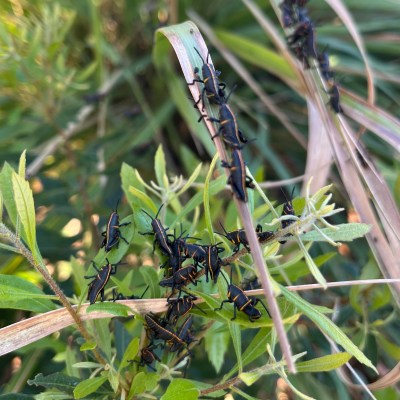
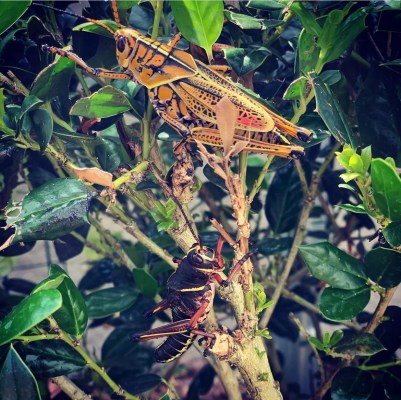
These grasshoppers don’t just appear out of nowhere. They start life as black nymphs, blending in with their surroundings until they mature into the orange-colored adults that are so easy to spot. Females lay their eggs during the fall or winter, and when spring rolls around, the eggs hatch, and the cycle begins again.
As spring gives way to summer, these grasshoppers grow quickly, intensifying their damage along the way. They thrive in the warmer months, leaving gardeners struggling to contain them.
What Plants Do Eastern Lubber Grasshoppers Love?
Eastern Lubber Grasshoppers are picky eaters, but when they do choose a plant, they go all in. They tend to feast on a wide variety of plants, especially those with tender, leafy foliage. Some of their favorites include:
- Flowers: They’ll munch on marigolds, lantanas, and zinnias.
- Vegetables: They’ve been known to target tomatoes, beans, and peppers.
- Herbs: Basil and oregano are especially vulnerable to their nibbling.
- Ornamentals: They also love ornamental grasses and shrubs like lantana and hibiscus.
Basically, if it’s a tender plant, it’s fair game for these hungry grasshoppers. The damage they cause can quickly take a toll on your garden, so keeping an eye on your plants is crucial.
 Why Are They a Bigger Problem This Year?
 Why Are They a Bigger Problem This Year?
Have you spotted these troublemakers in your yard yet? It seems like Eastern Lubber Grasshoppers are showing up in landscapes earlier than usual this year. What’s going on? Perhaps the unseasonably warm weather is contributing to their early arrival, or maybe they’ve just decided to make an earlier-than-usual appearance in our gardens. Either way, it’s a challenge gardeners aren’t thrilled to face.
How to Deal with Eastern Lubber Grasshoppers
When it comes to controlling these garden invaders, the best option for now is to physically relocate them (your perception of “physically relocate” is up to you). Yes, that means picking them off your plants and moving them away—definitely not the most glamorous garden chore, but sometimes it’s the only way to save your plants.
Have You Seen Them Around?
Are Eastern Lubber Grasshoppers making an appearance in your garden this year? Share your experiences in the comments below! Let’s commiserate together—because, trust me, we’re all in this battle with these garden invaders.
Until then, happy gardening (and grasshopper hunting)!


